

Founded October 6, 1946 · Babylon, New York
Eight Decades of Friendship, Unity and Christian Charity
The documented history of Ancient Order of Hibernians St. Patrick’s Division 2—from Michael Rice and the first twenty-four members to the men, women, families and traditions carrying the Division forward in its eightieth year.
Begin the storyA living institutional history
More than dates on a timeline
This is the story of a brotherhood that found a home, built a cultural center, raised bands and theatrical productions, welcomed generations of families, served neighbors in need, preserved Irish faith and heritage, and continued to renew itself through changing times.
This history is a work in progress. It will continue to grow as additional photographs, artifacts, historical documents, and personal recollections are discovered and entrusted to the Division.
Michael Rice and the first twenty-four
“This is our hall, our home.” When President Jim Killen wrote those words in January 2020, he spoke for generations of Babylon Hibernians. The home at 27 Locust Avenue had been bought, furnished, enlarged, and cared for by members who gave what they could: money, equipment, skilled labor, evenings, and weekends. Within its walls, children learned music, actors rehearsed Irish plays, students practiced the Irish language, and neighbors gathered to help families in need.
That home began with a brotherhood. On October 6, 1946, Michael Rice organized St. Patrick’s Division 2 of the Ancient Order of Hibernians at St. Joseph’s Hall in Babylon. Twenty-four new members were initiated. Rice became the first President, serving through 1948, and helped establish a community rooted in Catholic faith, Irish heritage, and the Hibernian principles of Friendship, Unity, and Christian Charity.
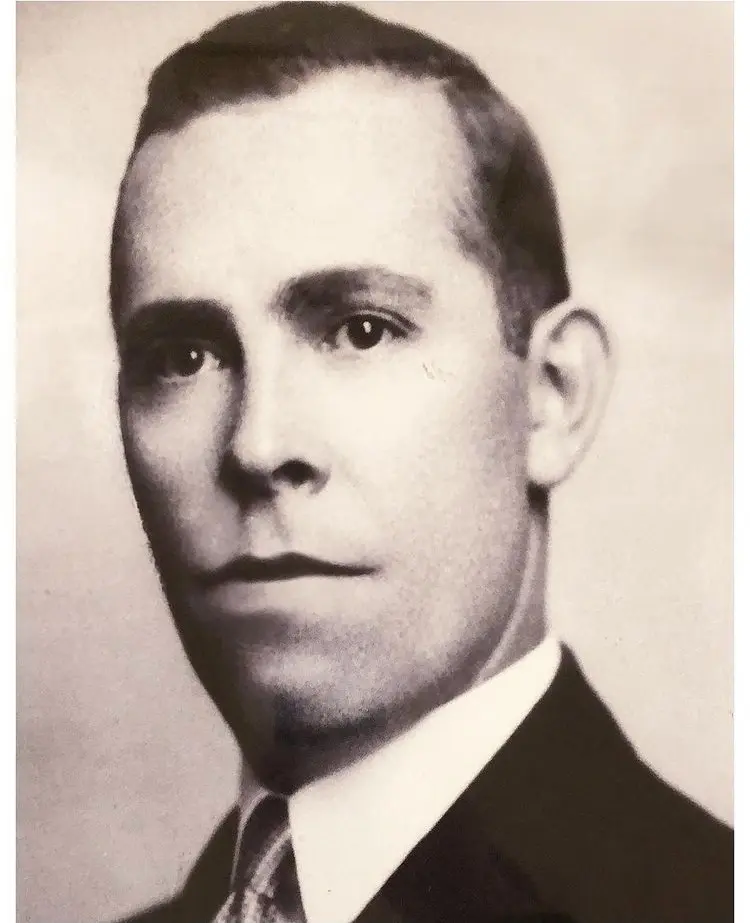
Michael Rice’s own journey had begun in Ireland. He came to New York in 1923 and worked in express service and later for Metropolitan Insurance. In 1928 he married Beatrice O’Neill. Both were Mayo people, and their family included Patricia and John. The founder’s life connected the Irish immigrant experience with the community he would help establish on Long Island.
Rice’s contribution continued long after his presidency. He remained involved as the Division grew, and when members finally obtained their own Hall in 1970, he helped equip its kitchen. In 1973 he received National Life Membership. The man who had brought the first members together also helped furnish the home in which their successors would gather.
The young Division kept moving. From January 1947 through March 1949, members met at Our Lady of the Miraculous Medal in Wyandanch. They then gathered at Saints Cyril and Methodius Hall for the rest of 1949. A brief return to Wyandanch in January 1950 was followed by the American Legion Hall in Babylon and, later, the Babylon Hotel. By 1957, meetings were being held at the Knights of Columbus Hall on Park Avenue.
Harold Manning succeeded Rice as President in 1949, followed by Thomas Fahey in 1950–1951. Rice continued his service as Suffolk County AOH President from 1949 through 1952. Even without a permanent address, the Division was building habits that would endure: regular meetings, elected leadership, shared celebrations, and responsibility for one another.
The St. Patrick’s Ball became a gathering place for that growing circle of members, families, and friends. Year after year, it brought the community together to celebrate its Irish identity and honor those whose service strengthened the Division.
A growing Hibernian family
On February 26, 1952, Mary Feeney organized the local Ladies, with Kathleen Brennan as President. Their first years brought practical difficulties familiar to the men: transportation and a dependable meeting room. The organization disbanded in 1955, but the determination to bring the women together remained. On October 14, 1958, the Ladies reorganized under a new charter and elected Alice Kavanaugh President.
Their renewed organization became an essential part of Hibernian life in Babylon. Religious observances, charitable work, dances, and family activities drew on the Ladies’ leadership and labor. In 1963 they began the annual fundraising event known as the Corned Beef and Cabbage Dinner, later the Harvest Dance. Their work would help provide both the social life and the physical setting in which future generations gathered.
During these years, Dennis Maloney, M. J. McCarthy, Bernard Traynor, John J. Farrelly, Hugh McGrath, and Edward Daly carried the men’s Division forward as Presidents. Leadership also came from the clergy. Father Virgil Patrick Power joined in 1958 after Mike Rice and Jack Farrelly introduced him to the Order. He served as chaplain until 1985, bringing a lasting commitment to faith and Irish culture. A special Mass and dinner dance in 1989 honored his long service.
As the families grew closer, the need for a home became more pressing. A permanent Hall would give the Division and Ladies a reliable place to meet, raise funds, and celebrate. It would also make room for activities that were beginning to take shape, including a pipe band whose music would soon carry the name of Babylon beyond the village.
One of the relationships that connected the founding generation to the Division’s later life was the association of Mike Rice and John J. “Jack” Farrelly. Farrelly served as Division President in 1957–1958. In 1958, he and Rice introduced Father Virgil Patrick Power to the Ancient Order of Hibernians. Father Power joined, and the members elected him their chaplain. A personal introduction thus became the beginning of a chaplaincy that lasted until 1985.
Rice and Farrelly continued to contribute in practical ways. Farrelly became Saffron’s first manager and treasurer and served as Treasurer of the Corporation when its first officers were elected in January 1964. Rice later supplied kitchen equipment for the new Hall. Their work connected the welcome extended to a priest, the organization of a band, and the provision of a permanent home. National Life Membership followed for Rice in 1973 and Farrelly in 1974, honoring service that extended far beyond a presidential term.
The road to 27 Locust Avenue
On January 20, 1964, members took a decisive step. A special general membership meeting elected the twelve founding directors of Babylon Hibernians Inc. Their staggered terms gave the new board continuity as it undertook the search for property.
The meeting took place at the Knights of Columbus Hall, 175 Park Avenue. Ed Daly, Jack Farrelly, Jack Dunn, and Matt Close were elected for three years; Raymond Nugent, Richard Rodgers, Leo Kenny, and John Flaherty for two; and Ned Kavanaugh, Hugh McGrath, Tom Fahy, and Tom O’Neill for one. By spreading the terms, members ensured that experience would remain on the board as directors came up for election.
Several of these men carried responsibilities across the organization. Jack Farrelly, President in 1957–1958, served for twenty-five years as Treasurer and became a key building fundraiser. John Flaherty had joined Division 2 in 1957 and was also a founding member of Saffron. John McCarthy was a banker and a charter band member; as a tenor drummer, he helped Ned Daly raise money for uniforms. The effort to build a home drew on men already accustomed to making the Division’s other ambitions possible.
Ed Daly became the Corporation’s first President, with Leo Kenny as Vice President, Matt Close as Recording Secretary, and Jack Farrelly as Treasurer. The Corporation gave the members a way to acquire and maintain a home while the Division continued its fraternal work.
Paul Ayers led the Division in 1963–1964 and went on to serve as Suffolk County AOH President from 1966 through 1968. John Flaherty, Division President in 1965–1966, would be Corporation chairman when the Hall was purchased. Edward Kavanaugh served as Division President in 1967; John McCarthy followed in 1968–1969 and helped bring the search to its conclusion.
On December 14, 1969, thirty-four Brothers gathered for the special meeting that authorized the purchase of 27 Locust Avenue for $28,500. The closing took place on May 27, 1970. On July 20, the Certificate of Occupancy was received, and the first general membership meeting was held in the new Hall. James Sullivan was President. Almost twenty-four years after the first initiations, the Division had a place of its own.
The thirty-four Brothers present for the purchase vote were Flaherty, Sullivan, Dunn, Griffin, McCarthy, Close, McPartland, Daly, Stein, Keating, Rice, Maloney, Fahey, Farrelly, Maher, McAllister, Egan, Friel, Rodemeyer Sr., Rodemeyer Jr., Ed Rodemeyer, Mulligan, McAuley, Turley, McKay, Lovelock, Love, Martin, Kavanaugh, Hannon, Confrey, Beaton, Sayer, and Regan. Their collective decision committed the organization to the purchase and to the continuing responsibilities that ownership would bring.
Making it usable was a community undertaking. Chapey’s Funeral Home loaned chairs. The Trot Inn donated a meat slicer. Mike Rice supplied kitchen equipment; Brother Rodemeyer gave a refrigerator; Brother Love donated and installed lighting. Nineteen bar stools were purchased from the Knights of Columbus. These useful, everyday gifts turned a property into a place where people could meet and eat together.
A hall built by its people
Ownership opened new possibilities. The Hall could accommodate the Division’s meetings and the Ladies’ activities, with a continuing home for meals, music, rehearsals, and family celebrations. Its calendar grew as members found new ways to use it.
During the 1980s, a major expansion developed the property into the Hibernian Cultural Center. A major phase was completed in 1986. Members contributed more than $33,000 directly toward the work. The Ladies paid for the stage in the St. Patrick room. The Hibernian Players added $2,000 in January 1987 and another $1,200 in January 1988, helping build the setting in which cultural life could flourish.

Thomas Maher, later Division President in 1989–1990, was a major Corporation leader during the expansion years. Leo Murphy held the Division presidency in 1986–1987. The work involved the Corporation’s property responsibilities, the Division’s support, and contributions from organizations that would use the enlarged space. The Players’ gifts and the Ladies’ stage made that cooperation visible in the completed Cultural Center.
The work did not end with the construction. In 1993, Jim O’Sullivan and his committee supervised the redecoration of all three halls under Corporation Chairman Pat Shannon. Successive boards and volunteers took their turn at repairs, improvements, and fundraising. The building needed care because it was continually in use.
A member might come for a meeting and return for a rehearsal, a benefit, or a Sunday afternoon with friends. Family picnics and the Shamrock softball team extended that fellowship outdoors. In 1995 the team retired Kevin McCarthy’s number 11 in recognition of his years as a player and manager.
The weekly rhythm was remarkably varied. In the summer of 1990, Sunday brought step dancing; Tuesday, band and chanter practice; Wednesday, Irish-history discussion; and Thursday, Gaelic classes and library night. Friday offered the Irish card game “25.” Traditional music and Irish-coffee nights filled out the monthly calendar. The Hall gave people several different entrances into the same community.
New forms of entertainment found a place alongside established customs. In June 1992 the lounge announced the arrival of laser karaoke. Decades later, Kevin Malone taught “25,” introducing players to its rules, strategies, and partnership play. The people gathering around the tables changed, but the pleasure of learning and playing together remained.
The surrounding grounds became another shared space. By Memorial Day 2022, improvements in Tara Circle included Adirondack chairs, tables, umbrellas, and a fire pit. The backyard provided room for outdoor fellowship and, in later activities, storytelling for children. Care for the property continued into 2026, when members contributed time and labor to further Hall and facility refurbishments.
The Hall also brought Ireland closer. A new satellite dish made it possible to gather for the Cork–Kerry Munster Senior Football Final on July 1, 1990. Leo Murphy offered a characteristically partisan blessing: “may the better team win and may that team be gallant Cork.” Across the Atlantic, a match became a shared occasion in Babylon.
Saffron: the early years and the families behind the music
While members were working toward a Hall, Matthew Close was working toward a band. In 1962 he led the effort to establish the musicians who would become the Saffron Kilts. In January 1964, participation opened to female relatives of eligible male members and to members of the Ladies Auxiliary. Families would remain at the heart of the band’s life.
Ned Daly sought permission to purchase uniforms in January 1965. When approval came on March 29, Matt Close declared, “This is a step we will not regret.” That Memorial Day, the band made its public debut in the East Farmingdale Fire Department parade, wearing white shirts and black slacks.

Jack Farrelly served as the band’s first manager and treasurer. John Keating was among the original pipers who began in 1962. The work required instruments, uniforms, instruction, and people willing to organize travel and raise funds. A band had to be sustained between its public appearances.
Fred Stein joined Saffron in 1967. He served as Quarter Master Sergeant and Color Guard Sergeant, worked on the Music Committee, helped create the band’s logo with the Rheingold Brewing Company, and helped finance its flag. He also organized fundraising for the band’s first trip to Ireland. These duties joined practical administration to a strong sense of how the band should represent Babylon.
Raymond Ledger joined as Music Director in 1967, preparing musicians and new students for competition at the Hunter College Feis. Teachers and organizers helped sustain a tradition in which beginners could become accomplished musicians and pass their skills to the next generation.
Eric Stein was twelve when he began lessons in 1966, after seeing the Gleneagle Pipe Band at Phelps Lane pool. Matt Close, Ray Ledger, and Brian McPartland helped train him. Moves to New Jersey, Pittsburgh, and Atlanta did not end his connection with Saffron. He returned full time in 2003 and became Pipe Major in 2008. Maureen Stein came to the band in 1969 after playing with Barrett’s Pipers and Dancers.
Other families built similarly long connections. Frank Mulligan joined around 1967, first in the Color Guard, then as a bass drummer and later as band manager. All four of his children played in the band. Hank O’Neill came from Barrett’s Pipers and Dancers, guested with Saffron around 1968, and joined full time. He became a familiar piper at Tara Court exemplifications and St. Patrick’s Day Masses.
Jim Kavanaugh began learning the pipes in 1969 under Ray Leger and joined Saffron under Matt Close. His association with the band extended across a twenty-year Marine Corps career and later work with the Long Island Rail Road. In 2024 the Division honored him as Hibernian of the Year. The band’s story repeatedly returns to people who carried it with them through the changing stages of their lives.
The Saffron Kilts, later Saffron United, carried the name of Babylon well beyond Long Island. In 1996 the band assembled for a group photograph at Kilkenny Castle in Ireland, its members standing together with the instruments and uniforms that generations of effort had made possible.

Some of its most meaningful appearances were close to home. Music accompanied celebrations, farewells, and remembrance. Speaking of Memorial Day in 2016, Eric Stein put the band’s duty plainly: “With all that veterans have done for us, the least that we can do is march for them, even if it’s raining.” The same commitment has kept Saffron present at the occasions that matter to the Hibernian family.
Jim and Marty Sullivan were another couple whose family life became intertwined with the band and Irish dancing. Marty, remembered as “Nan,” came from Callan in County Kilkenny. She and Jim married in London and emigrated to the United States in 1952. From the 1960s into the late 1970s, they were active supporters of Saffron and the dancing community. When Marty was remembered in 1999, that shared work was part of the story of her life. The band’s history included the people who made participation possible as well as those who marched with instruments.
The relationship between a teacher and a young musician could also endure for decades. Eric Stein, who had begun lessons as a boy, remembered a phrase Matt Close liked to use: “Good job, well done!” Recalling those words in 2019 brought the founding Pipe Major’s voice into the life of a later Saffron generation. Instruction passed on technique; such remembered encouragement preserved something of the teacher himself.
From local parades to international competition
Saffron’s public life expanded quickly. In August 1969 the band played at the St. Agnes Church bazaar and was advertised for Suffolk County Gaelic Day at Montfort Seminary in Bay Shore. On September 12, 1976, a program at Old Westbury Gardens brought the Saffron Kilts together with fifteen to twenty Division 2 Hibernian dancers under Maureen Stein’s direction.
Teaching kept the ranks growing. A fall session beginning October 6, 1992 offered Tuesday chanter lessons and Wednesday drum instruction to children and adults. Pat O’Hara Jr., Michael Faughnan, Brigid Close, Vivian Stapleton, and Betty Close were among the named instructors and contacts. Division 2 provided uniforms and instruments for students, making participation a practical possibility for new learners.

By 1993, Saffron was celebrating recognition as Best Pipe Band in the New York City St. Patrick’s Day Parade for the sixth time in seven years. Its St. Patrick’s Day appearances also reached television audiences: the band appeared on Live with Regis & Kathie Lee in 1997 and again in 1999. The 1999 day combined television, the New York parade, and a visit to Sloan Kettering.
The Metro Cup, founded at Division 2 by Eric and Maureen Stein in 1987, drew accomplished solo pipers into the Hall. As the competition grew it moved to New Jersey. Eric and Maureen continued running it through 2017, linking a Babylon initiative to a much wider piping community.
At the 2010 World Pipe Band Championships in Glasgow, Saffron stood among bands drawn from across the world. Its later competitive successes included first place in the Eastern United States Pipe Band Association Grade 5 standings for 2019. That year ninety-one bands were registered in the grade and fifty-seven were ranked.

On July 20, 2024, Saffron won the Grade 5 competition at the Glasgow Lands Scottish Festival in Massachusetts against a field of eighteen bands. After its successful season, the association upgraded Saffron to Grade 4 for 2025. The Piper’s Ball continued to honor the people behind such achievements: in 2024 its honorees included Jim and Colette Kavanaugh, Hank O’Neill, and Bob Jones.
On November 22, 2025, the band celebrated its sixty-third anniversary at the Piper’s Ball. Its longevity rested on the same elements that had brought it into being: musicians willing to practice, teachers willing to teach, families willing to help, and a Division willing to give them a home.
Matt Close’s name also traveled with a trophy. The P/M Matt Close Memorial Trophy had been donated to the Suffolk Feis for the leading Grade 5 band. When the Feis stopped hosting bands in 1994, the trophy was put away in a back closet. It returned to Saffron in 2015, and the band won it that year, planning to have its name engraved on it once more. An object that had spent years in storage again joined memory to active competition.
Saffron recognized many different forms of contribution. Its 2017 awards honored John Kavanaugh with the Spirit Award, John Golder as Rookie of the Year, Jim Killen with the Fred Stein and Charles Sayers Color Guard Award, Jerry Belmont with an Above & Beyond award, and Eric and Maureen Stein together as Band MVPs. The names attached to these honors connected current service with the people whose earlier work had helped establish the band.
The Hibernian Players: Irish stories on stage
Irish drama offered another kind of encounter. John D. “Jack” McKean founded and directed the Hibernian Players, bringing actors and audiences together around Irish stories. The company presented Swan Song in January 1979, Professor Tim in June 1980, Troubled Bachelors in June 1982, Moll in November 1983, and The Whip Hand in May 1986. On December 2, 1990, John B. Keane’s The Field came to the Cultural Center at 27 Locust Avenue.

An evening on stage depended on many hands. For The New Gossoon, John Burke served as producer and Jack McKean as director. Kevin Shannon handled the stage, Mary Dooley the costumes, Peggy Stein the makeup, and John Dooley the sets and lighting. Pat Keane provided music and Joan Walsh handled tickets. Cast members included Eileen O’Hara, Eric Stein, Tom O’Rourke, Mike Flanagan, Theresa Reilly, John Keating, Ann Mulligan, John Burns, and Kathy O’Hara. The production drew on the same willingness to contribute that had furnished the Hall.

The Players also used their work to help others. A November 1995 performance of My Favourite Family offered free admission to elderly and infirm guests by arrangement. Their contributions to the Hall expansion helped ensure that future audiences would have a place to gather.
The Players performed at 401 Montauk Highway in Islip before bringing productions to the Cultural Center. Their tickets made theater accessible at community prices. Professor Tim in 1980 charged adults four dollars and children and senior citizens two dollars and fifty cents. For The Field in 1990, admission was eight dollars in advance or ten at the door.
For Moll, the cast included Eileen O’Hara, Tom O’Rourke, Michael Flanagan, Kevin Kavanaugh, John Keating, Theresa Reilly, Anne Keane, and Brendan McDonald. Jack McKean directed John B. Keane’s three-act comedy. Across productions, familiar names returned in different parts, while new performers gained experience before local audiences.

The company’s repertoire continued with The Country Boy in the winter of 1991–1992 and John Quinn’s three-act comedy Don’t Bother to Unpack on January 14–15, 1995. The following November brought My Favourite Family, and January 1997 brought scheduled performances of The Damsel from Dublin. The Hall provided a place for a continuing theatrical life, with audiences returning to see what their neighbors would perform next.
McKean’s own Hibernian life had begun in Brooklyn in 1960. Beyond the stage, he marched with Saffron’s Color Guard and sang on St. Patrick’s Day bus trips. When he died in 2016, Eric Stein remembered his pride in marching ahead of the band and the force of his personality. The Players reflected that same willingness to perform, organize, and bring others along.
Speaking, singing, and dancing Ireland
At the Cultural Center, Irish heritage could be learned as well as celebrated. Gerry Tobin brought his Irish-language classes to Division 2 in 1986. After his death in 1988, friends founded Scoil Ghaeilge Ghearóid Tóibín in his memory. The school’s free classes gave learners a regular place to practice, ask questions, and hear the language spoken.
The school sustained a form of learning built on regular participation. Students could return week after week, developing familiarity with sounds, words, and conversation. By 2018 free classes were meeting every Wednesday evening at the Hall. In the pandemic, instruction continued electronically, keeping teachers and learners connected even when the rooms were closed.
Tom Collins was one member whose experience joined several of these traditions. After joining Division 2 in 1980, he took Irish dancing with Matt Close and studied the language with Gerry Tobin. He made four trips to Ireland after becoming a Hibernian. For him, the Hall offered both a local community and a way of deepening his connection with Ireland.
Jim Mullins brought together language, folklore, history, and music. A Marine veteran of the Korean War, he taught at the Gerry Tobin school and played violin at the monthly céilí. Although he was not a Division member, he was well known and loved at the Hall. His death in 1996 was a loss to the wider cultural circle that gathered there.
Irish dancing likewise brought generations through the doors. Maureen Stein directed the Division dancers who appeared with Saffron in the 1970s. Patti Love’s work with Mise Éire later introduced the tradition to successive groups of children and families. Adult classes offered another route into membership: Terry Whalley joined the Ladies in October 2002 while taking Irish step-dancing lessons and later served as their President.
The connection between the school and the Juniors became especially direct in 2019, when instructors taught the young members Gaelic phrases and their names in Irish. Language became something the children could use for themselves, rather than simply hear about.
Performers from Ireland also made the Hall a destination. On September 13, 2019, Celtic Thunder singer Emmet Cahill appeared before about two hundred people. The evening included a September 11 tribute, with Cahill and the audience singing God Bless America. Mary Gibbons recalled his response to the welcome: “It was like stepping into a bit of Ireland.”
Patricia Burke brought Irish music to listeners beyond the Hall through her work as a local Irish-radio host, singer, and musician. The wife of Brother John Burke, she was remembered by John Biesty in 1996 for her deep knowledge of Irish music. Her contribution belonged to the same wider cultural community as Jim Mullins’s teaching and violin playing: people drew one another into the language, songs, and stories of Ireland through several different doors.
Irish history itself was taught at the Hall by Division historian Pat Sweeney. Members could learn through a class, a performance, a conversation, or a display. In May 1992, Bob Lee assembled a historical display in the Hall covering many years of Irish patriots and heroes. President John Dooley publicly thanked him for that work. Teaching heritage was already part of the use members made of their building.
Tara Court and service to the wider Order
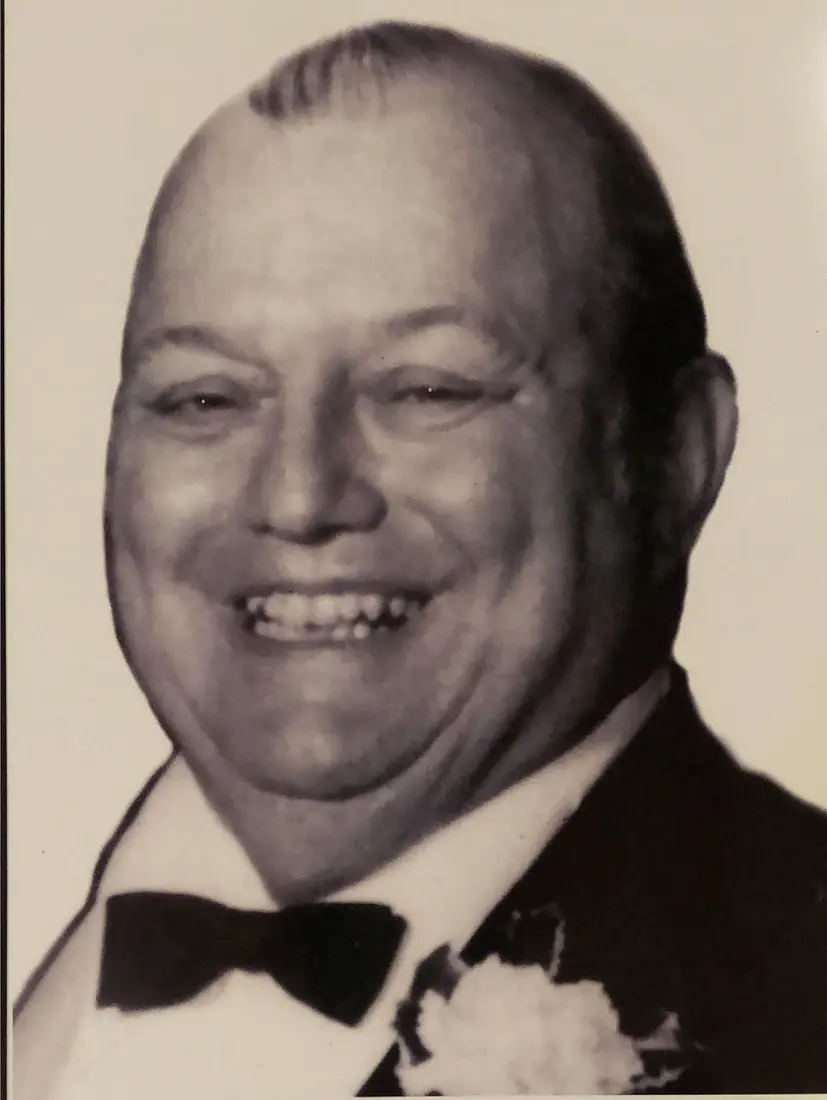
Tara Court carried the Order’s own ceremonial tradition. Founded in the early 1970s by Frederick Stein with co-founder Thomas Maher, the team exemplified the AOH Major Degree. Its work took members to national gatherings including Killarney in 1978, Miami in 1980, and San Antonio in 1982, with later appearances continuing through Verona in 2012. Babylon members served the wider Order by passing its traditions to fellow Hibernians.
Frederick Stein’s service linked the band, the Division, and the degree team. He served as Division President in 1979–1980 while remaining associated with the cultural and ceremonial work that gave the organization a public identity. Thomas Maher’s contributions likewise crossed boundaries: co-founder of Tara Court, a leader in the Hall expansion, and Division President in 1989–1990.
Tara Court’s journeys continued after its appearances in Killarney, Miami, and San Antonio. The team traveled to Albany in 1984, Buffalo in 1986, Kalispell in 1991, Louisville in 1994, Denver in 2000, Foxwoods in 2002, Boston in 2006, and Verona in 2012. Preparing and traveling together demanded commitment beyond the ordinary monthly meeting.
New participants took their places in that work. Tom Bennet served as a Tara Court guard from 2009 through 2015, years before his Division presidency. In 2023 the team’s officers included Jeff Nisler as Chairman, Matt Buckley as Vice Chairman, John Hurley as Secretary, and Frank Nappe as Treasurer.
Local exemplifications continued to welcome Brothers into the Major Degree. Following the pandemic interruption, Tara Court returned to that work in Patchogue in October 2021. On October 22, 2023, Division 2 hosted the Suffolk County Major Degree at its own Hall, where seventeen Babylon Brothers made their degree. The traditions carried to national gatherings were also being passed on at home.
The Ladies: leadership, friendship, and practical charity
For the Ladies, charitable work and fellowship developed side by side. Parish outreach, blood drives, religious observances, and help for families were joined by dances and shared interests such as the book club. The Parish Outreach Dance, founded by Pat Rattigan, brought practical help to neighboring parishes. In 2017 its proceeds provided $400 to each of eight parish outreach programs.
Long membership meant that personal and organizational histories became intertwined. In January 2016, LAOH President Maureen A. McKean wrote, “This year I will celebrate my fortieth year as a Hibernian and a member of this Division.” Five years later, President Mary Louise Smith Cairo expressed the pride of serving that community: “It is an honor to represent the ladies of this division.”

The annual dinner dance recognized women whose work was woven into Division life. Among those honored were Peggy Sayre in 1993, Pat Fanok in 1994, Mary Harty in 2013, Colette Kavanaugh in 2014, Tessie Reilly in 2015, Pat Vaughn in 2016, Lieve Hawkins in 2017, Rita Madden in 2018, and Terry Whalley in 2019. The honors gave public recognition to years of participation, organizing, and service.
St. Brigid’s observance offered another occasion to recognize example and devotion. The Walking in the Footsteps of St. Brigid honor went to women including Rita Madden in 2016, Sharon Lauro in 2017, Maureen McKean in 2019, and Pat Rattigan in 2021. Mass and fellowship placed recognition within the Ladies’ religious life.
Some of their most sustained work took place quietly. By 2018, Adele O’Shea had been shopping each month for neighboring parish outreach programs for eighteen years. Joan Walsh, who joined in 1971, handled reservations for dances and social events over many years, and was remembered for her music, singing, wit, and friendliness. The organization depended on such dependable personal commitments.
At the 2016 Taste of the Town benefit with the Babylon Breast Cancer Coalition, food came from seventeen restaurants, with additional support from bakeries and beer and wine donors. Music and raffles brought people together around the cause. Pat Vaughn and Martha Markovitz also carried forward the annual blood drive, another example of service that required recurring organization rather than a single event.
The Ladies welcomed new members and maintained ties with the wider Order. Thirteen women transferred from Division 1 in January 2018 when that Ladies Division ended after sixty-eight years. Twenty new members were installed in June 2023; seventeen more were installed in March 2024 and twenty in June. In 2024, Ann Dent and Brigid Essl were recognized for fifty years of membership, and Mary Steck for twenty-five.
At an Irish breakfast in 2021, Colette Kavanaugh, Michelle O’Donnell, Tessie Reilly, Lil Gerrity, and Cathy Mulligan shared memories of their journeys from Ireland to America. The occasion joined personal history with the Ladies’ motto and purpose. In the same organization, newcomers could find friendship while longtime members gave living form to its traditions.
The Ladies also cared for the document that embodied their organization’s authority and continuity. In 2016, Ann Rolston personally delivered their historic charter to an art restorer in Long Island City. After cleaning, the aging charter returned refreshed. President Maureen McKean thanked Ann for making the arrangements and carrying it there. Preservation depended on a member recognizing that something important needed care and taking responsibility for it.
The Juniors: growing into the Hibernian family
The Ladies and Juniors made the Hibernian community a place where service could begin early and continue for a lifetime. The Junior Boys received their charter on April 10, 1970, just as the Hall purchase was nearing completion. The Junior Girls likewise became part of the growing family, joining cultural outings, fundraising activities, and celebrations.
Their activities made heritage something to experience. In November 1994, a Junior Girls trip to Radio City Music Hall drew forty-eight people, with the AOH and LAOH helping pay for the bus. On October 18, 1996, twenty Junior Girls and about thirty other participants traveled to Radio City to see Riverdance. Norah Bieniewicz helped lead that cultural outing.
Scrapbooks gave the Junior Girls a way to collect and present their shared experiences. They won first place at the New York State LAOH convention in 2015 and second place nationally in 2018, with Jackie Rattigan coordinating the latter scrapbook. Photographs, activities, and memories became a project the young members could make together.
Charitable work was equally hands-on. At a joint meeting in 2019, the Junior Boys and Girls prepared 160 bologna-and-cheese sandwiches for Mercy Inn Kitchen, along with remaining supplies. Their September car wash raised $510 for Hurricane Dorian relief in the Bahamas. That November, the Girls prepared Thanksgiving baskets with food and gift cards and made Veterans Day cards for Operation Gratitude and Hibernian family members.
Young members learned through doing. Breakfasts, car washes, collections, and scrapbook projects required them to organize and work together. In November 2021, twenty-two Junior Boys and Girls assembled thirty-one Thanksgiving baskets for parish outreach centers and presented $1,500 to Tunnel to Towers from their fundraising. Earlier that autumn, the Juniors had helped mark the twentieth anniversary of September 11.

The effort grew as the community returned to regular activity. In April 2022, the Juniors provided Easter dinners for thirty families. That November they prepared one hundred Thanksgiving bags, while the Division contributed more than one hundred turkeys. A Coast Guard Station Fire Island visit that October, organized with Mike Rowan, introduced the Junior Boys to another kind of public service.
Their own voices explained why belonging mattered. In 2021, Junior Boys Treasurer Brendan Murphy wrote, “The Hibernians help keep me connected with my Irish heritage.” His father, grandfather, grandmother, and uncle were Hibernians; his sister had recently joined the Girls. The organization was part of a family’s life across generations.
In October 2024, children and grandchildren gathered around the Tara Circle campfire for a traditional Irish Púca story, alongside Juniors from Divisions 2 and 7. Folklore, friendship, and a shared place brought the tradition into another generation’s childhood.

The Juniors’ September 11 observance in 2021 included decorated plaques honoring eighteen Hibernians killed in the attacks. Making the plaques gave young members a specific act of remembrance to perform. Names and lives were presented through work done by children who had been born after the event, allowing remembrance to pass from those who experienced the day to those learning its meaning.
Opening doors through education
The Division also supported young people as they continued their education. Its scholarship tradition reaches back to 1973, and the Maurice R. Quinlan Scholarship remained part of its work in 2026. Encouragement offered at the Hall could accompany a student into the next stage of life.
Regina Martin and Ronald Bombeck were among the scholarship recipients in 1973. Over the following decades the program supported students from successive Hibernian families, carrying the Division’s concern for young people beyond childhood activities and into further study.
In 2013, the Scholarship Committee confronted rising post-secondary costs by using both a raffle and a Stop & Shop gift-card program. The latter returned five percent on fifty-dollar cards. Everyday purchases could help build the scholarship fund, supplementing the larger events that usually drew attention.
Thomas Cotta and Thomas Stapleton received scholarships in 2013. Christine Belmont, Emily Faughnan, and Joseph Murphy followed in 2015; Kaitlin Kerr and Ayna Schmitt in 2016. The 2018 recipients were Jennifer Collins, Thomas Faughnan Jr., and Victoria Leonardo. Jennifer Collins also won the New York State AOH scholarship.
The commitment continued during the pandemic. The 2020 recipients were Alana Barry at West Virginia University, Christopher “CJ” Bradley at Mitchell College, and Jack Malone at SUNY Maritime. In 2021 the recipients were Kayla Bennet, Thomas Malone, Kieran Farrell, and Blaise Vastola. Thomas Jemison, Jamie Lamberta, and Madeline Belpanno received the Maurice R. Quinlan Scholarship in 2026.
Encouragement extended to historical learning as well. Catherine Ryan, daughter of member Maureen Ryan, won first place at County, State, and National levels in the 2024 Irish History Essay Contest. Such achievements gave younger people a place in the Division’s public celebration of service and Irish heritage.
Education was also supported within Saffron. In 1999 the band announced an annual piping and drumming scholarship in memory of the late piper Bill Kavanaugh. Linking a musician’s name to a student’s opportunity made remembrance part of the band’s continuing instruction. The Division’s educational life included college assistance, Irish-history essays, language study, and the training needed to carry its musical traditions forward.
Friendship with a purpose
When young Kerry Crowe and her family needed help in 1990, the Division rallied around a benefit. The response joined entertainment and fellowship to the serious business of supporting a neighbor. “This is truly what Hibernianism is all about,” editor Ken Granville wrote afterward. In July 1996, A Celebration of Life brought dancers, entertainment, auctions, raffles, and food together for the Reilly Family Cancer Fund.
These events belonged to a larger pattern. Members organized the occasion, families and friends filled the room, and the proceeds went where they were needed. Leo Murphy later described the continuing commitment: “We do tremendous charity work for all the outreach programs in all the local parishes.”
The fiftieth-anniversary year in 1996 found the Division looking outward as well as celebrating its own life. Irish Ambassador Dermot Gallagher visited in May for a public forum on Ireland’s peace process and economy. In December, as he completed his presidency and passed leadership to Jim Sullivan, John Biesty urged the members to “Keep the Tradition Alive!”
That tradition included making time for one another. Leo Murphy’s Then & Now gatherings gave longtime members and friends a daytime place for a meal, Irish trivia, conversation, and stories. Hosts and supporters including Pat Rattigan helped sustain the gatherings. A life remembered around a table became part of the history shared by the whole Division.
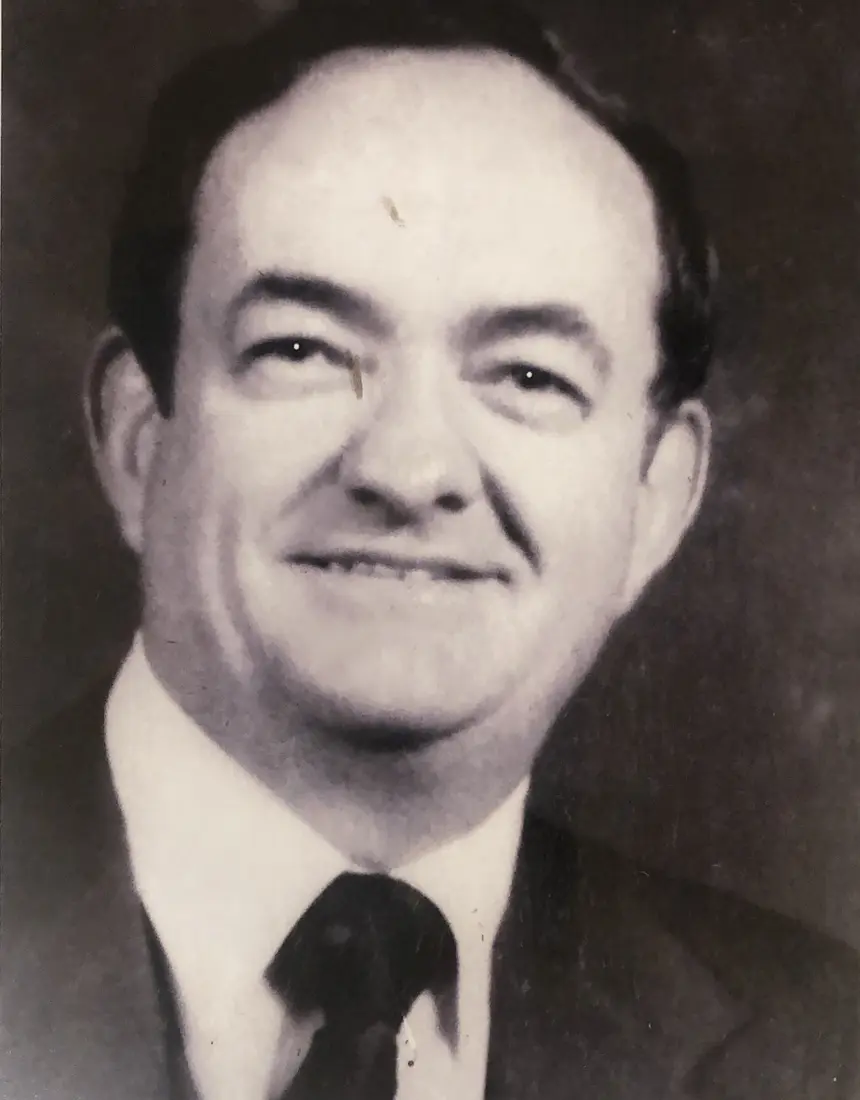
Leo had served as Division President in 1986–1987, and his work continued across the decades. His example joined leadership with the ordinary acts that keep a community close: welcoming people, telling their stories, preserving their photographs, and encouraging participation.
The St. Patrick’s Monthly kept that wider family in touch through officers’ messages, cultural news, prayer requests, and notices of births, marriages, illness, and loss. In 2017, regular printed and mailed distribution gave way to email and the website, with copies available in the lounge. The means of communication changed; the need to know how fellow members were doing remained.
At a Then & Now gathering early in 2017, Mike O’Neill shared his lineage and life story. The account prompted the reflection, “There are so many of these stories waiting to be told … and appreciated.” The gatherings gave personal experience an audience among friends. The history of emigration, work, family, and membership could be heard in the voice of the person who had lived it.
In 2023, Then & Now invited members to contribute recollections and group photographs for a Leo Murphy Legacy Memory Book and a September celebration. When Leo was remembered in 2024, fifty-four people attended a Then & Now gathering that shared a wake eulogy and a poem by his niece. John Biesty participated in that remembrance. A friendship sustained over years found expression in stories, photographs, and words read together.
Leo’s influence was felt beyond Babylon. National AOH Treasurer Liam McNabb remembered him as “a Hibernian leader, known to all,” whose example mattered to others. The national tribute echoed the more personal remembrance at home: Leo’s place in the organization was measured both by the offices he held and by the relationships he sustained.
Leo Murphy’s Legacy: Preserving the Division’s Story
Leo’s contribution did not end with the offices he held or the gatherings he sustained. He preserved photographs, programs, tickets, invitations, and other materials that allow later generations to see the people and activities behind the written record. Presented together here, his collection forms a visual history of the Hall, the Hibernian family, the Players, Saffron, and decades of shared life.
Related items preserved by other members and within the Division’s historical holdings are included alongside Leo’s materials. Together, these surviving pieces show how the history was carried forward—not by one archive alone, but by members who understood that ordinary keepsakes could become part of the Division’s lasting memory.
Building a Home
Construction, property work, AOH and LAOH gatherings, Juniors, and the people who made 27 Locust Avenue a home.
Stories from the Stage
Performance photographs, admissions, programs, cast biographies, and production credits from the Division’s years of Irish theater.
Music Across Generations
Band photographs and anniversary material tracing Saffron from the New Hall and Ireland to later competitions and celebrations.
Milestones and Memories
Anniversary pieces, commemorative images, and other materials preserved across the Division’s historical collections.
Mass, remembrance, and the people who served
Faith shaped the Division’s calendar from its earliest years. Father Virgil Patrick Power’s chaplaincy, beginning in 1958, connected the founder’s generation to the members who built and expanded the Hall. By 1960 he had also become Suffolk County AOH chaplain and had been chosen as a chaplain for the Ladies. His interest in Irish culture accompanied his religious leadership.
Father Power remained Division chaplain until 1985. The special Mass and dinner dance held in his honor in 1989 brought that long service into focus. Members remembered him again at a dedication and Mass on August 24, 2016. His influence remained part of the Division’s life decades after his chaplaincy had ended.
Other clergy continued the work. In 1990, Father James Miller was Chaplain, Monsignor Thaddeus Rooney Associate Chaplain, and Father Power Chaplain Emeritus. When Father Miller’s parish transfer led him to resign, members arranged a farewell Mass in October 1992. Religious leadership was part of the relationships that members formed and remembered.
Monsignor James M. Kissane became a beloved presence in the Division. His death in 2010 brought funeral reflections, family thanks, and tributes from the Hibernian community. A memorial was unveiled at the Hall in 2011. The annual golf outing later carried his name alongside that of Captain Tim Harty, turning remembrance into support for the Lustgarten Foundation and St. Jude Children’s Hospital.
The Deceased Members Mass required the same steady attention as other enduring traditions. By 2017, Jack Gerrity had been involved with it for twenty-five years. Its place in the calendar reminded members that those who had died remained part of the community’s story.
September 11 remembrance had particular meaning for the Division. Brother Richard T. Muldowney was an FDNY firefighter killed in the attacks. In 2021, the twentieth-anniversary observance included an outdoor Mass in Tara Circle and a pancake breakfast. The Juniors helped with memorial work and the blood drive, which collected forty-four pints on September 10.
The concern for those who served extended to veterans’ events. Saffron supported Soldier Ride, and the Color Guard and band welcomed forty-six Honor Flight veterans at MacArthur Airport on September 29, 2023. Music and the colors offered a public welcome, while the members’ presence expressed gratitude directly.
St. Patrick’s Day, the Ball, and shared celebrations
St. Patrick’s Day brought together the Division’s faith, public identity, and hospitality. In 1995, the day began with Mass at the Hall and a continental breakfast, continued with the New York City parade behind the Saffron Kilts, and ended back in Babylon with corned beef and cabbage, music, and dancing. Father Jim Kissane, Father Tom Moloney, Michael Faughnan, Tom Murphy, Jack Gerrity, Charlie Galvin, and many AOH and LAOH volunteers helped make the day possible.
The pattern continued in 1996, when Father Kissane celebrated Mass before members traveled to the 235th New York City St. Patrick’s Day Parade. The return to the Hall was as much a part of the occasion as the march. Members who had spent the day representing Babylon could gather with family and friends in their own home.
The St. Patrick’s Ball offered a separate occasion to honor service. The forty-sixth Ball in 1992 featured the Gabe Hickey Band; the fifty-first, on March 8, 1997, honored John Biesty. In 2016 a full house celebrated Jerry Belmont. The following year, Jimmy Reilly joined his own tribute by Skype when the cold prevented him from attending in person.
Later honorees included Ed Muldowney in 2018 and Michael Hartigan in 2019. Tom Collins was the 2020 honoree, but the pandemic forced the cancellation of that year’s Ball. Collins and 2021 honoree Jack Durkin were honored during the seventy-fifth-anniversary weekend; Durkin had died on September 14, 2021.
The return of the annual gatherings was warmly felt. In 2022, the Lenten Fish Fry served 153 guests under chairman Matt Buckley. On St. Patrick’s Day, members began with Mass at 7:45 a.m. and breakfast, marched behind the Color Guard and Saffron in New York, and returned to a Hall serving 235 corned-beef dinners. Ed Ryan, Saffron, and Mise Éire provided entertainment.

The Ball honored Tom Bennet in 2022, Bill Corrigan in 2023, Jim Kavanaugh in 2024, Matt Buckley in 2025, and Jim Killen in 2026. These celebrations depended on committees and volunteers as well as honorees. Jim Killen chaired the Ball for the fourteenth time in 2022, and he and Chris Bradley co-chaired the packed 2024 event.
Other milestones brought their own celebrations. The Division’s sixtieth anniversary was marked on October 8, 2006, with a commemoration, gala cabaret, and dinner at the Hall under President Bill Kelly. Whether an annual Ball or a major anniversary, the occasion returned to a familiar purpose: bringing people together and recognizing what they had given.
Mike Doyle captured the purpose of the day after the 1995 Mass, parade, and Hall celebration: “This tradition will be an example of the Hibernianism of which we are justly proud.” His words tied the public march to the shared religious and social life around it. For members, representing their heritage and returning to fellowship at the Hall were parts of the same occasion.
Ten years after the 2006 celebration, Jerry Belmont’s committee helped organize the seventieth-anniversary gala on October 1, 2016. Andy Cooney and his band performed, with Billy Weiss and Hall volunteers helping make the evening possible. The work joined planning, entertainment, and hospitality; the celebration rested on members who took responsibility for all three.
Keeping faith through difficult days
In 2020, the COVID-19 pandemic interrupted the meetings, rehearsals, meals, and celebrations around which Division life revolved. Under President Jim Killen, members found ways to continue serving even while they could not gather as before.
Division 2 supplied shepherd’s-pie dinners to more than 250 frontline workers across five units at Good Samaritan Hospital. Saffron United later played at a shift change. On Memorial Day, May 25, Jim Kavanaugh came to the Hall to play a bagpipe tribute to the fallen. Familiar forms of service and remembrance took place under unfamiliar conditions.
The Ladies provided lunch and encouragement to staff at Berkshire Nursing Home on April 29, 2020. Meetings moved to Zoom; Junior Girls met virtually; Saffron teachers continued pipe and drum lessons online; and Irish-language instruction continued electronically. Friday Hibernian Happy Hours gave members a way to see one another when a visit to the lounge was no longer possible.
Other needs continued to reach the Division. Following a serious fire at the Our Lady of the Assumption parish center in Copiague, the Ladies contributed $500 toward repairs. Their successful application for a national Missions and Charities grant brought $1,618 to Mercy Soup Kitchen. Charitable work continued while familiar fundraising occasions were disrupted.
The Ladies resumed in-person meetings on October 20, 2020. A Hibernian Hikers program brought several generations together for five Sunday walks through Babylon Village, averaging about twenty-eight participants each week. Even a walk offered a way to renew fellowship.
The men had returned for their first in-person meeting since March on August 3, with safety measures and a Zoom option. As opportunities to gather gradually returned, the seventy-fifth anniversary in 2021 gave members a chance to reflect on what they had carried through those months and what their predecessors had built.
Jim McGrath chaired the anniversary committee. A July luncheon honored the five then-living National Life Members: John Keating, Bob O’Shea, John Rattigan, Leo Murphy, and John Biesty. On October 6, a monument was dedicated at Argyle Park, giving the Division’s long relationship with Babylon a place in the village landscape.

Killen invited members to “give thanks, remember, reminisce, laugh and celebrate.” Those words embraced the solemn and joyful sides of Hibernian life. The Division had mourned its dead, supported the living, and kept its fellowship intact. Coming together again carried a meaning beyond the anniversary itself.
Charity on a growing scale
The years after the shutdown brought food collections and benefits back into full activity. In March 2022, members collected more than two hundred bags of food and seventeen cases of water for St. Patrick’s in Bay Shore. A September drive collected more than 450 bags. These efforts depended on shoppers, volunteers, transport, and parish workers acting together.
Ryan Dunn gave the work a lasting piece of equipment. His Eagle Scout project created two mobile food pantries for Division 2, honoring the memory of his grandfather Tom Collins. He was recognized in April 2022. A younger generation’s project became a practical tool for continuing an older member’s spirit of service.
Entertainment continued to bring people to a cause. An April 2022 Comedy Night raised more than $900 for Beacon House. In May, 102 Super Bingo guests helped raise more than $1,100 for the American Legion Veterans and Children’s Foundation. An evening at the Hall could support people well beyond it.
The thirteenth golf outing in June 2023 drew ninety-three golfers and raised nearly $16,000, supporting the Lustgarten Foundation and St. Jude. The Thanksgiving effort that year delivered 165 complete turkey dinners, funded through Country Night, a Jets–Giants tailgate, and a benefit concert. The variety of events allowed members and friends to contribute in different ways.
The Back the Blue barbecue on August 24, 2024 supported the Suffolk County chapter of Brotherhood for the Fallen and raised $3,800. Saffron performed in support. President Jim McGrath described it as “our honor to assist in raising funds for such a worthy cause,” linking the occasion to the men and women serving in law enforcement.
In August 2025, volunteers distributed five hundred grocery bags to St. Joseph’s parishioners, each accompanied by a list of food-pantry needs. In 2026 the Division received a National AOH Hibernian Hunger grant. Food collections, parish outreach, and national support became complementary parts of a sustained local effort.
Leadership carried from one generation to the next
The presidency passed through a succession of members whose service often continued well beyond their terms. During the first years at Locust Avenue, James Sullivan was followed by Bob Quinlan, Jack Friel, Broughan Gorey, Robert O’Shea, and Frederick Stein. Andrew Gorey, Joe Griffin, James Hayes, Leo Murphy, Robert Kane, and Thomas Maher then led through the 1980s and into 1990.
The next decade brought John Dooley, Jack Gerrity, John Biesty, James D. Sullivan, and Cormac Gerrity. Family connections were part of that continuity: Cormac followed his father Jack into the presidency, while Andrew and Broughan Gorey were brothers. Shared service could become part of a family’s place in the organization.
In the new century, John Rattigan, Robert Murphy, Edward Cotter, William Kelly, Patrick Shannon, James Dawes, Gerard Belmont, Matthew Buckley, Thomas Bennet, and William Corrigan carried the office forward before Jim Killen’s 2020–2021 term. Kelly began in July 2006 and continued through 2008, serving thirty months.
Several members also led beyond Babylon. Michael Rice and Paul Ayers served as Suffolk County Presidents. John Dooley was elected County President in 1993. James Hayes rose to New York State President and was re-elected in Niagara Falls in 1997. Bill Corrigan became Suffolk County President in May 2023. Division service prepared members to take responsibility in the wider Order.
National Life Membership recognized many years of contribution. Rice received the honor in 1973 and Jack Farrelly in 1974. Later recipients included John Flaherty in 1997, James Hayes in 1998, John Dooley in 1999, Patrick Shannon in 2001, Leo Murphy in 2004, John Keating in 2006, John Rattigan in 2007, Bob O’Shea in 2008, and John Biesty in 2009.
As he completed his presidency in 2015, Matt Buckley wrote, “Leading is not about being in power.” He also expressed the pleasure of serving: “I’ve absolutely loved every second of it.” The Division’s history gives that thought a practical setting. Presidents, Corporation directors, teachers, committee chairs, and volunteers regularly served in several capacities, returning to the work wherever they could be useful.
Tom Bennet made the connection between membership and participation equally direct in October 2017, after welcoming thirteen new Brothers: “What you put in to our Division is what you’ll get out of our Division.” His message placed the responsibility for a living organization with every member. A title was one way to serve, but turnout, teaching, organizing, and helping were the work on which the Division depended.
Gerard “Jerry” Belmont’s service illustrates that continuing commitment. He joined Division 2 in 2001 and served as President in 2012–2013. By 2010 he had been Vice President under Jim Dawes. After his presidency, he continued in the financial and organizational work of the Division, was honored as Hibernian of the Year in 2016, and helped lead that year’s anniversary gala. In May 2017 he became Suffolk County AOH President, extending his responsibilities to the wider county organization.
Jerry’s work continued through the years of growth, the pandemic, and the return to full activity. Officer lists repeatedly place him in the Financial Secretary’s role, including the administrations of Jim Killen, Dennis Harty, and Jim McGrath. In 2025 he served as an Aide to the Grand Marshal of the New York City St. Patrick’s Day Parade. In 2026, he received Life Membership, adding a significant honor to twenty-five years of Hibernian service. That July, he was among the Division’s delegates at the National Convention in Omaha.
The objects and memories members preserved
The Division’s history was kept by people who saved what others might have set aside: a ticket after a play, a photograph after a parade, an invitation after a celebration. Those objects carry details that a remembered date alone cannot convey. They show what members saw, what an evening cost, who took part, and how people represented their organization to one another.
Leo Murphy preserved a particularly varied collection of photographs, programs, tickets, invitations, and other keepsakes. Those materials are shown throughout this history beside the people, organizations, and events they document, so each surviving artifact can be understood in its proper historical setting.
Frederick Stein’s service included gathering the Division’s history as well as carrying its ceremonial traditions. In September 1995, members were asked to give him historical photographs for the approaching fiftieth-anniversary history. John Biesty continued that effort in July and August 1996 with “The Great Picture Hunt,” asking members for photographs of Past Presidents. The request placed a shared task before the membership: bring forward the pictures held in individual homes so that the Division could remember its leaders together.
Later members continued that work. Tom Collins helped George Schmitt with a Division history project. Eric and Maureen Stein preserved the band’s history through accounts of its people and activities, and Saffron’s 2025 family-history initiative invited another generation of recollections and photographs. The Junior Girls made scrapbooks of their own experiences. Preservation was passed along through families, committees, and cultural groups, each keeping a different part of the common story.
The Hall’s objects also carried memory. In 1995, members were asked to bring a Waterford vase trophy previously awarded to Saffron back for display in a new foyer cabinet. It had earlier stood behind the bar and later in the President’s office. The appeal named Jim Sullivan as the person to receive it. The trophy’s intended place near the entrance showed a desire to make the band’s accomplishments visible to everyone coming into the building.
In 2018, piper Bob Farrell made a wooden Irish flag that Saffron presented to the Division and Corporation. The handmade flag joined musical service to a lasting gift for the Hall. Other objects recognized service directly: in October 2022, Leo Murphy, John Biesty, Eric Stein, and Hank O’Neill received plaques marking more than fifty years in Division 2. Certificates, trophies, memorial plaques, and handcrafted gifts gave individual effort a visible form.
The same impulse could turn remembrance into something useful. Ryan Dunn built mobile food pantries in memory of his grandfather Tom Collins. The Juniors created September 11 plaques; the Ladies restored their charter; friends assembled memories of Leo. These were different acts of care, united by the conviction that the people and purposes behind the organization should be carried forward.
The tradition carried forward
The years that followed brought renewed activity and a broader public presence. In 2022, Division 2 received the New York State AOH Arnold J. Nagelhout Charities and Missions Award. On March 19, 2023, it hosted the first Babylon Village St. Patrick’s Day Parade. Judy Skillen, President of the Village of Babylon Historical and Preservation Society, served as the first Grand Marshal. More than fifty units took part, and the route ended at 27 Locust Avenue. The Hall that earlier members had struggled to acquire became the gathering place for a new village tradition.
The inaugural village parade required cooperation between the Division and the wider community. Dennis Harty, Mike Hartigan, Bob Farrell, Wayne Meehan, Mayor Mary Adams, Lisa Tripp, Lauren Salamone, and other volunteers helped make the first event possible. It joined the Division’s longstanding participation in New York and local parades to a celebration centered on Babylon itself.
The second annual parade followed on March 24, 2024. Saffron’s contingent included fifteen pipers, six snare drummers, two tenor drummers, and two bass drummers. Keith Busch was Grand Marshal for the third parade in 2025, when crowds along Deer Park Avenue and Main Street greeted another large Hibernian turnout. Patti Love led the fourth annual parade as Grand Marshal on March 22, 2026.
On August 13, 2023, two full buses of Division members traveled from the Hall to Citi Field for Irish Night on a trip organized by John and Nora Weppler. During the event, Division representatives went onto the field to receive the New York Mets Spirit Award on behalf of St. Patrick’s Division 2.
That year the Division also received the New York State Organizer Award, while Dennis Harty received a Leadership Award. The work of welcoming new members and representing the community was being recognized beyond Babylon.
In January 2026, the Corporation elected new leadership under Chairman Ron Rice, with Mike Rowan as Vice Chairman, Tim Kerr as Treasurer, and Bob Farrell as Recording Secretary. Chris Bradley served on the board as Division President. The responsibility first undertaken in 1964 continued: caring for the home while the Division developed its next generation of activities.
Mike Scalia’s selection as a National AOH Young Ambassador in 2026 added another connection to the wider Order. Scholarships, new initiations, cultural programs, and continued facility improvements all formed part of the anniversary year. The milestone arrived within an active organization, still welcoming people and finding new work to do.
Dennis Harty served as President in 2022–2023, followed by Jim McGrath in 2024–2025 and Chris Bradley in 2026. In the eightieth-anniversary year, the St. Patrick’s Ball honored Jim Killen, Patti Love served as Grand Marshal of the fourth Babylon Village St. Patrick’s Day Parade, and members continued the work of scholarships, initiations, and Hall improvements. An eleven-member AOH/LAOH delegation attended the National Convention in July.
As October 6, 2026 approaches, the story reaches back to Michael Rice and the twenty-four initiates at St. Joseph’s Hall. It runs through the rooms borrowed for meetings, the vote to buy Locust Avenue, the gifts that furnished it, and the work that made it a Cultural Center. It is heard in Saffron’s music and the Irish spoken in class, seen in the Players’ productions, and carried by the Ladies and Juniors into another generation.
It also lives in less public moments: a meal prepared, a chair set out, a lesson patiently taught, a visit to someone who is ill, a family helped through a hard season. Eighty years of Division 2 have been made through such contributions. Each generation has received a home and a tradition to care for. Each has added something of its own. “This is our hall, our home.” The words belong to a building, but also to the people who have given it life.